
Before and After: Painting With a Plan vs. Without One

Here are two of my own paintings. The first is how I painted before I understood the oil painting process — no plan, trial and error, beginning every painting wondering if I was doing it right, with no idea what to do next, hoping for the best.
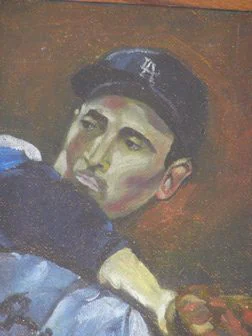
That “before” is a pattern most students don’t escape. I’m not sure where the idea came from that a student is supposed to trudge along in frustration and trial and error — it’s ridiculous. Do you think Rembrandt learned that way?
I’ll never promise to turn anyone into the next Rembrandt, Rubens, Monet, Sargent, or Gainsborough. But the difference between these two paintings isn’t talent — it’s that the second one was built on a procedure instead of guessed at.
The procedure that made the difference is in the school.
Common questions
- What changes when you paint with a procedure instead of trial and error?
- You stop beginning every painting in doubt. Trial-and-error means wondering if you're doing it right, not knowing what comes next, and hoping for the best the whole way through. A set procedure gives you a known sequence to follow, so the painting is built rather than guessed at.