
Beyond the Bob Ross Painting Technique
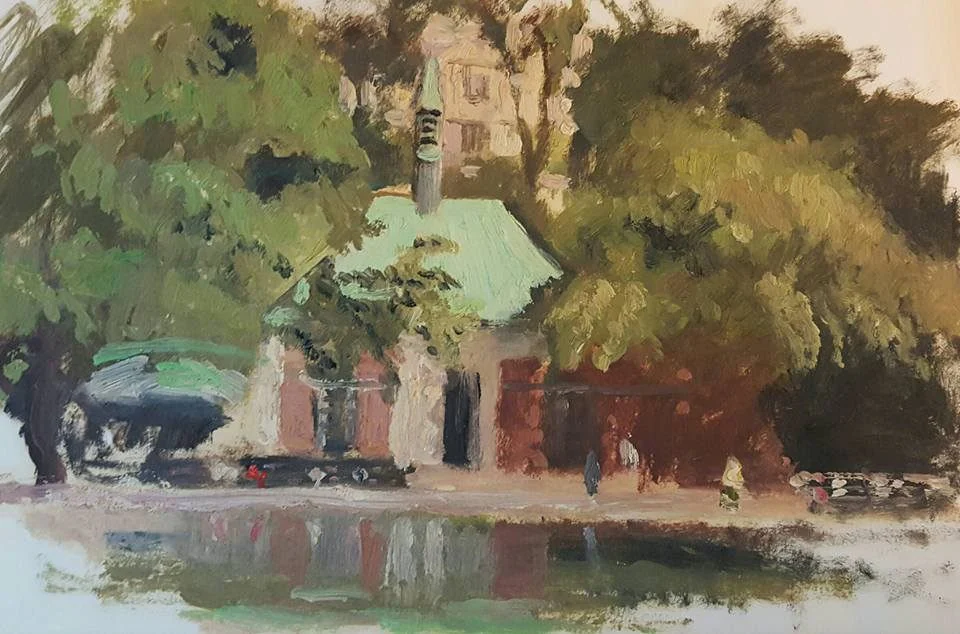
Wet-on-wet TV painting — magic brushes, a foliage brush, liquid white, “load a corner of the 2-inch brush and tap side to side” for a tree — teaches you tricks for one kind of subject. Traditional oil painting teaches you the process: the rules of your materials and the language of the craft, which you then apply to anything. If you want to paint the way the masters in museums did, the TV method won’t take you there. But you can get there — I started with it too.
Bob Ross is the best-known of the PBS wet-on-wet painters (though William Alexander originated the approach). He was fun to watch, and about as gentle a person as you’ll meet. This isn’t about him personally — it’s about the method, and it’s written for people painting that way now who want to go further and aren’t sure they can.
Look at how the masters actually painted
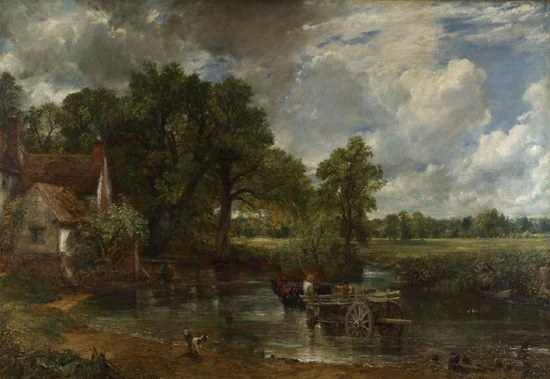
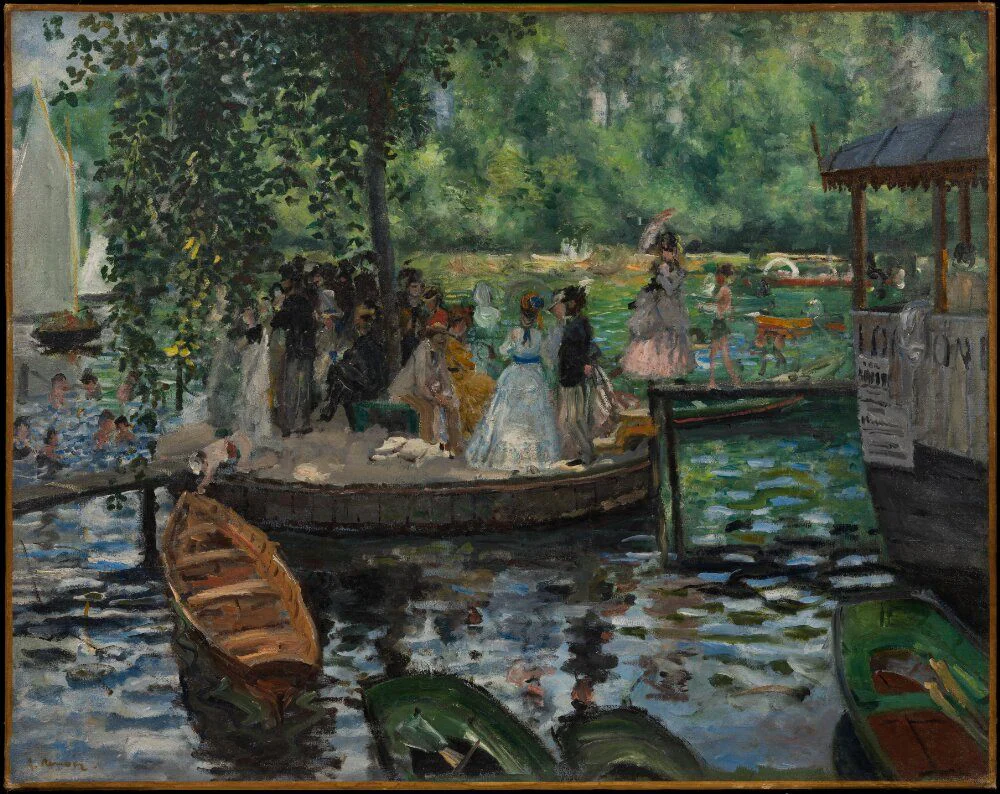
Can you see the difference between these and a wet-on-wet TV landscape? It isn’t just darker colors or more realism. In person it’s immense, and you’ll see it immediately. Get to any art museum near a large city and look at the landscapes by the great painters.
A test you can do
- Take a portable easel and paintbox to a scenic outdoor spot near you.
- Pick a scene you find beautiful.
- Paint it, using what you have and what you’ve learned.
No trouble, no frustration, no confusion? Then I was wrong. But if there is frustration — ask yourself whether you’re satisfied, or whether you have more to learn and want to.
The misconception
Beginners think you learn “how to paint a landscape” or “how to paint a tree.” In the traditional manner you don’t learn subject matter — you learn to paint. You learn the rules of your supplies and the process of oil painting, and then you apply that process to anything. Read that again.
If you learn the alphabet you can spell any word. Painting with subject-specific tricks is like learning to write the letter “A” — how are you going to spell every word with just that?
These are mine:
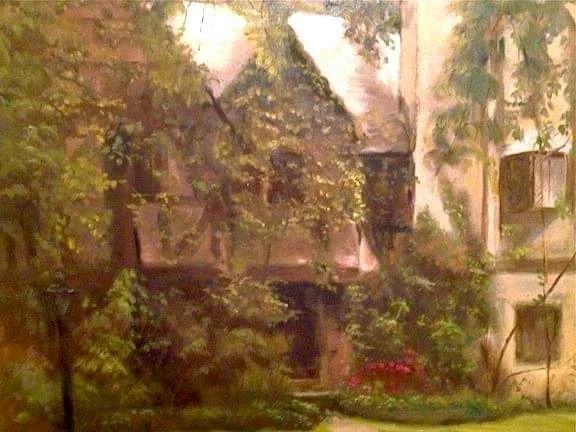
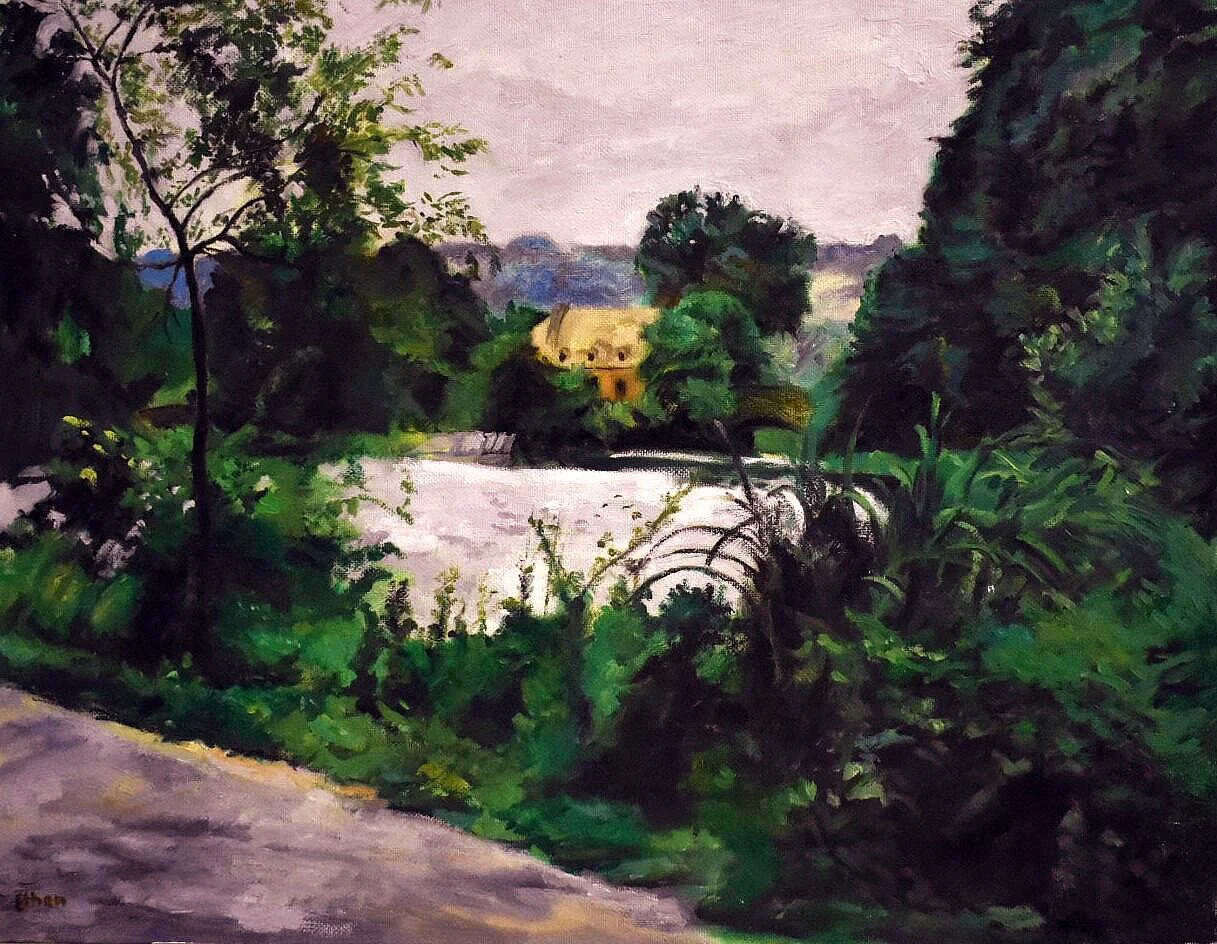
I’m not comparing myself to Constable or Renoir. I’m showing you these because I started out with the 2-inch brush and the fan brushes and the tree tricks too, and told myself the old-master way was too hard, too tedious, too slow — every excuse I could think of. Then I learned the process, and now I can paint anything, any way I want.
Is this for everyone? No. If you’re content painting the wet-on-wet way, that’s fine — my lessons won’t be for you. This is for the people who want to take the next step.
If you want video instruction that covers traditional methods and procedures instead of a landscape in 27 minutes, that’s what the school is.
Common questions
- Can you learn traditional oil painting after starting with the Bob Ross method?
- Yes. Ethan started that way himself — 2-inch brush, fan brushes, tricks for trees — and now paints in the traditional manner. The wet-on-wet experience gives you some handling of the materials; it's a start, not a ceiling.
- What's the real difference between wet-on-wet TV painting and traditional painting?
- TV methods teach you tricks for a specific subject — a tree, a mountain — using tools like a foliage brush and liquid white. Traditional painting teaches the process of oil painting itself: the rules of the materials and the language of the craft, which you then apply to any subject you want.
- Isn't wet-on-wet a legitimate technique?
- Painting wet into wet is as old as painting — Titian to Monet did it. The issue isn't wet-into-wet paint; it's building a whole approach out of subject-specific tricks instead of learning the underlying process.