
How to Make an Underpainting (and Why It Makes Painting Easier)
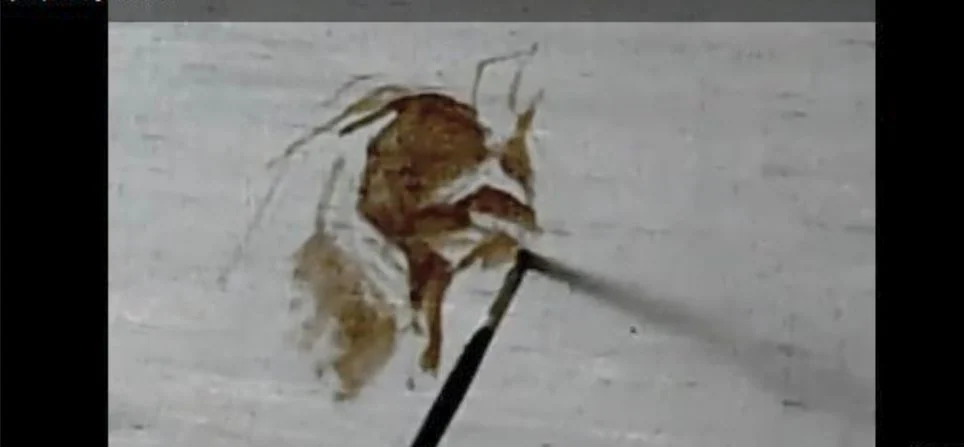
An underpainting is the foundation layer of a painting — usually in one or two colors — where you resolve the drawing and the light-and-dark structure with color set completely aside. Doing this separates the problems so you only face one at a time, and because you’re working in a single color there’s no mud to fear. Color goes on afterward, over a structure that already works.
The old masters painted systematically. Each layer had a specific goal: they made an underpainting, then finished with the overpainting. Drawing, value, and color got worked out separately so the painter could give full attention to one problem at a time.
Why an underpainting makes things easier
Think about typing a letter, doing a math calculation, and cooking a meal all at once. Hard to concentrate on any of them. Painting has its own problems — drawing, tonal values, composition, color, special effects like a glow or transparency — and even color alone splits into opaque vs. transparent, thick vs. thin.
You don’t have to solve them all at once. The underpainting is where you forget color and think only about drawing, composition, and getting the values right.
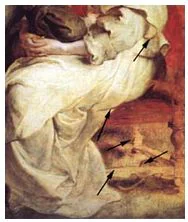
In museums you’ll often see the underpainting showing through the paint above, especially where a work was left unfinished. Titian is famous for his — it’s said he built most of a painting in just red, black, and white, saving his stronger colors for the overpainting once the drawing was solved.
Fat over lean — and why it matters
You want an underpainting to dry quickly, because you’re going to paint over it. Use little medium; if you add any, make it a fast-drying one. A medium with a lot of oil is a bad idea here — oil slows drying.
As you add layers, each should contain more oil than the one below. This is “fat over lean,” and it prevents real damage. If you paint a very oily underpainting and then a lean layer on top, the top dries all the way through first. The layer underneath is still drying — and drying paint contracts and moves, too little to see but enough to crack the set paint above it. Like an earthquake: the shifting underground layer cracks the surface.
How I paint an underpainting
- Black and white only, or sometimes burnt umber and white.
- No fear of mud — you can’t make mud with one color.
- Lighten or darken freely by adding white or black (or umber).
- Very little medium. I paint freely, without worrying about mistakes.
- If I don’t like it, I scrape it back with a palette knife or wipe it with a rag and a little turpentine and start again — it’s the first layer, nothing is lost.
- I concentrate on tone: getting the lights and darks right, in monochrome.
- I don’t paint thickly here. More paint is going on top and I know it.
When it’s dry, the overpainting begins and color goes on gradually — more color the further along I get. I never have to worry about the main structure of the painting; that was settled in the underpainting.
When you build a house, you don’t put the windows in before the foundation and walls. The windows are the color. The foundation and walls are the underpainting.
I demonstrate the full process — umber-and-white underpainting, underpainting a head from a photo, then bringing color over it — inside the school.
Common questions
- What is an underpainting?
- Any dried layer of paint that you then paint over. It's the foundation layer where you plan your main areas of light and dark and your drawing, usually in one or two colors so color decisions can wait. The finished colors go on top afterward, over a structure that's already resolved.
- Why paint an underpainting in only one or two colors?
- It separates the problems. With just black and white, or burnt umber and white, there's no color to get wrong and no mud to fear — you can lighten or darken freely and put your whole attention on value and drawing. Trying to solve drawing, value, and color at once is what makes painting feel impossible.
- What does 'fat over lean' mean?
- Oil is a 'fatty' medium. Your first layers should be lean — little or no oil — and each layer on top should contain progressively more oil so it dries more slowly than the one beneath. If a lean layer dries over a still-wet oily layer, the movement underneath cracks the dried paint on top, like an earthquake.