
How to Make Rabbit Skin Glue (Traditional Canvas Sizing)
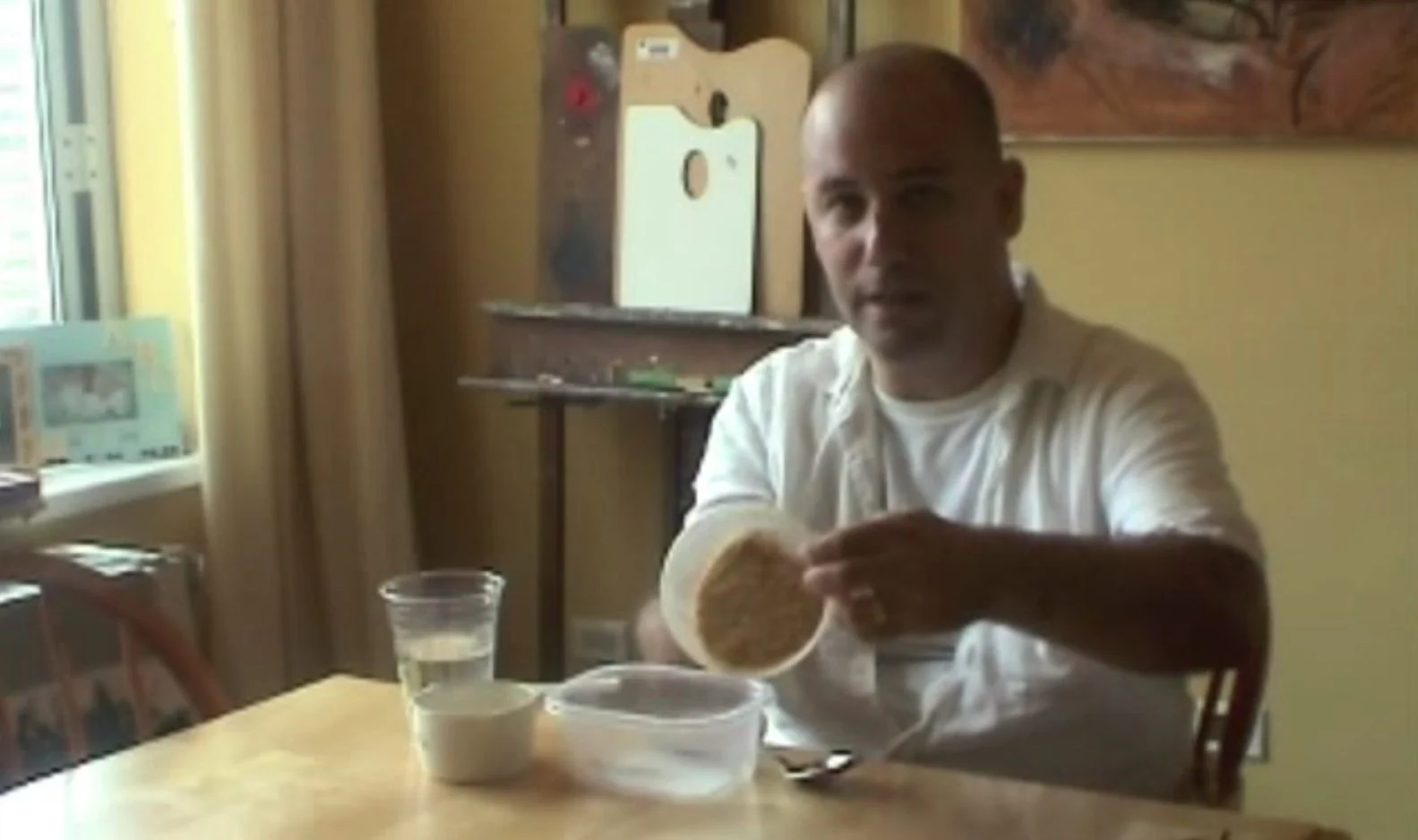
Rabbit skin glue has been used for centuries as a traditional sizing for oil painting and gilding. Brushed onto raw canvas before gesso or paint, it seals and strengthens the fibers and cuts absorbency — protecting the canvas from the oil over time. Making it is simple: if you can make chicken stock, you can make this.
Why rabbit skin glue?
Painters have valued it for two reasons:
- It protects the canvas fibers — a barrier against the acids in oil paint.
- It reduces absorbency — so you’re not painting into a surface that drinks the oil, leaving colors dull and chalky.
I first learned about it in an evening class taught by an older painter named Furman Fink. He was over 90 and still demonstrating how to prepare it. If a man in his nineties can take the little time this needs, I have no excuse — and it’s a reminder that these traditions are worth keeping alive.
What you’ll need
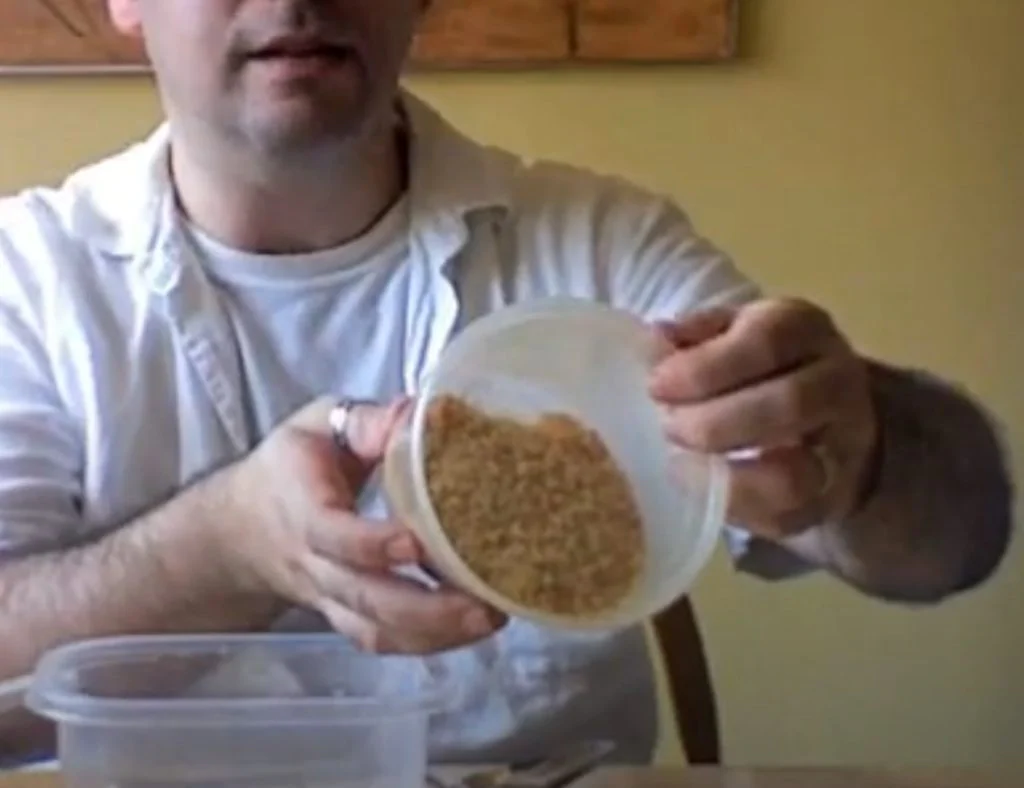
- Rabbit skin glue granules
- Water (1½–2 cups)
- A tablespoon measure
- A heatproof container
- A double boiler, or a pan of hot water in the sink
If you don’t have a large art supply store nearby, rabbit skin glue is easy to order online.
Step by step
1. Measure and mix
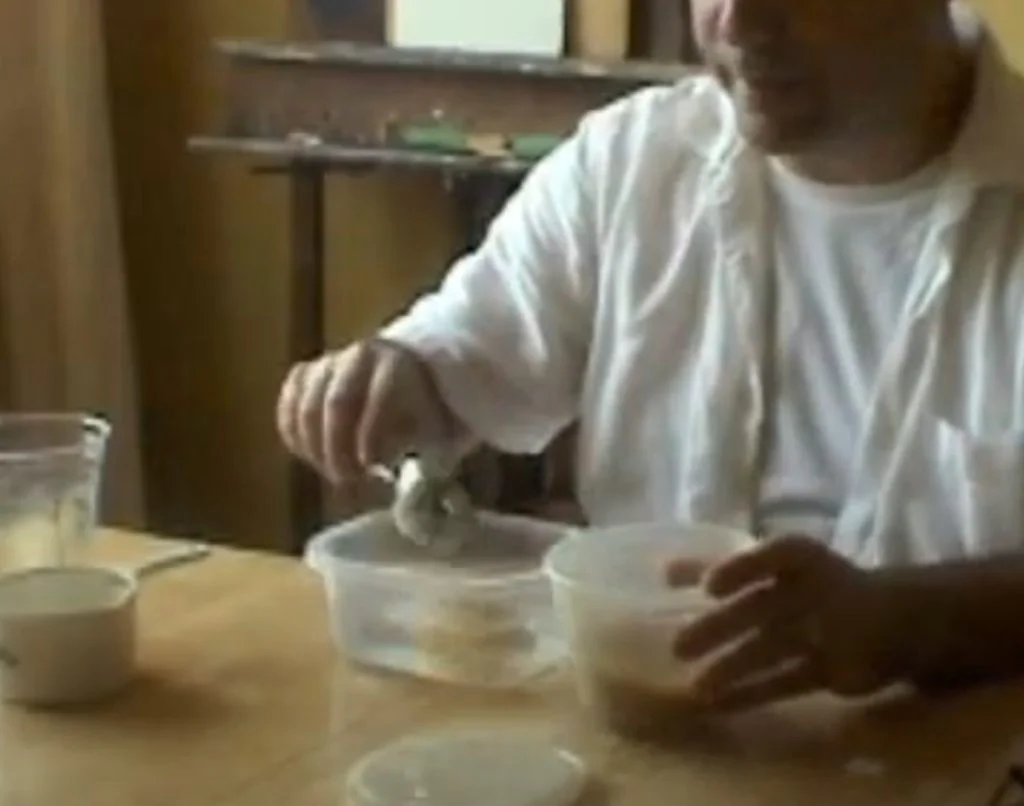
Combine 1 to 2 cups of water with about 1 tablespoon of glue. Stir lightly, then let it sit — the glue absorbs the water and forms a jelly-like mass.
2. Heat gently
Set the container in a double boiler or a pan of hot water. Stir until the glue dissolves into a warm, amber liquid. Do not boil — overheating breaks down the glue.
3. Cool and store
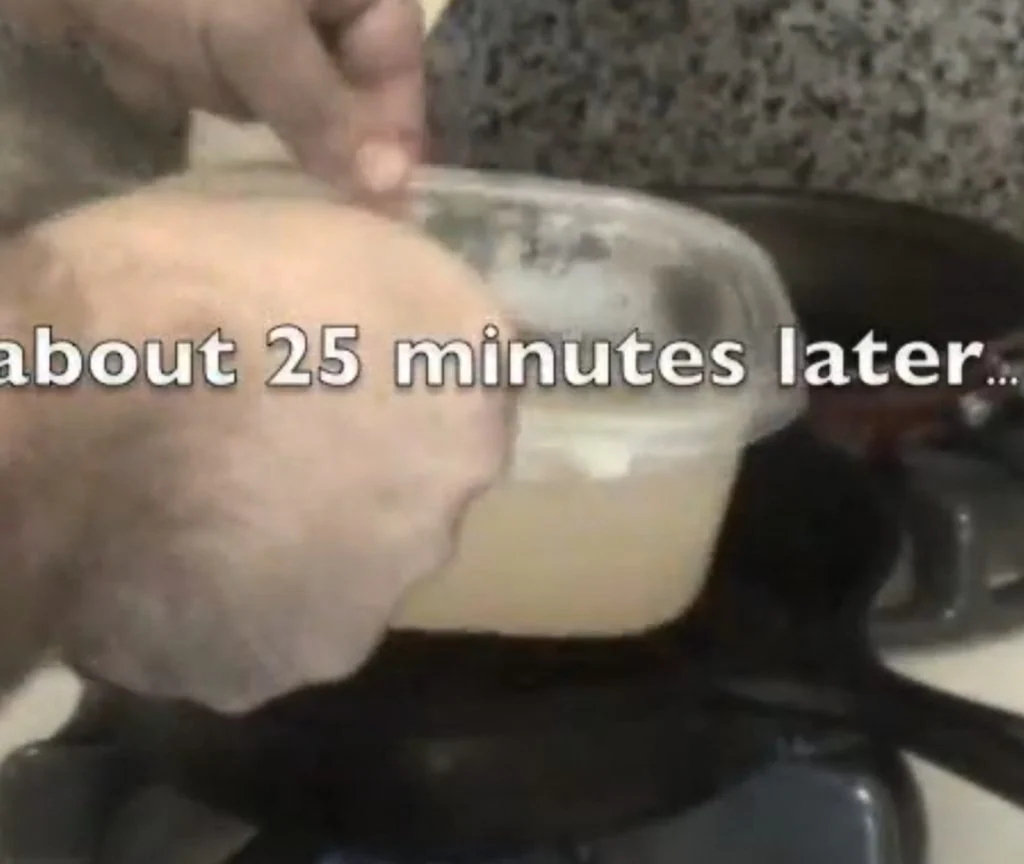
Remove from heat, let it cool, then refrigerate. It sets into a firm jelly you reheat when needed.
Tips
- Proportions don’t need to be exact — a little more or less water won’t ruin it.
- Never boil it. Low and gentle.
- Use on raw linen or cotton before gesso.
- Expect it to look a bit like chicken stock. That’s normal.
Making rabbit skin glue feels old-fashioned, but it’s a ritual that connects you to centuries of painting tradition — and it gives your canvases a time-tested foundation. More on preparing surfaces properly is in the school.
Common questions
- What does rabbit skin glue do for a canvas?
- Brushed onto raw canvas before gesso, it seals and strengthens the fibers and reduces absorbency. That protects the canvas from the acids in oil paint over time and stops the surface from drinking up the oil, which would leave colors dull and chalky.
- How do you make rabbit skin glue?
- Combine about 1 tablespoon of glue granules with 1 to 2 cups of water and let it sit until it swells into a jelly. Warm it gently in a double boiler, stirring until it dissolves into an amber liquid — never let it boil. Cool and refrigerate; it sets into a jelly you can reheat.
- Why must you not boil rabbit skin glue?
- Overheating breaks down the glue's binding properties, so it won't size the canvas properly. Keep the temperature low and gentle — a double boiler or a container sitting in a pan of hot water is enough.