
How to Really Mix Color (Using Orange as the Demo)
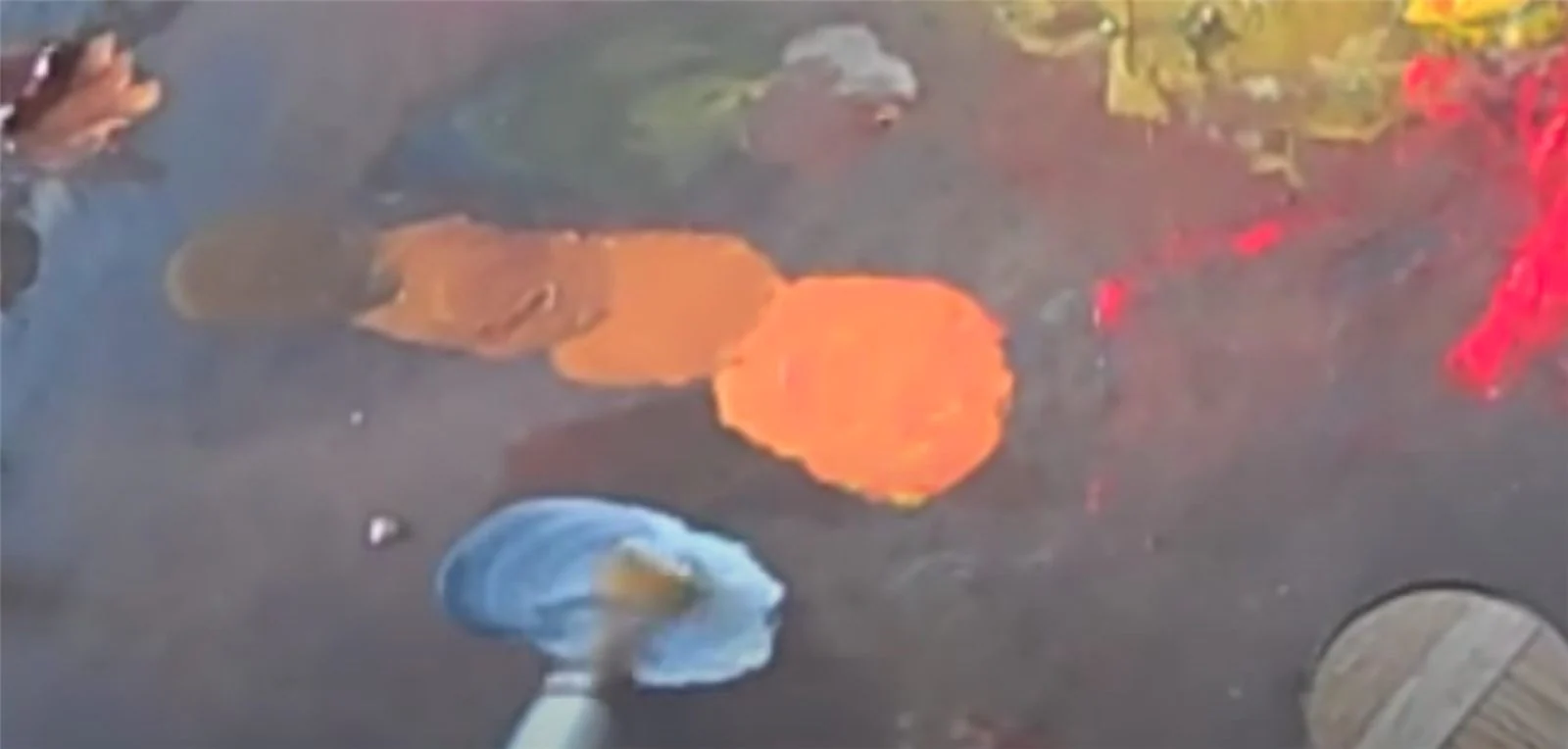
Color mixing is not “find the closest color on the palette and lighten or darken it.” If you want real control, you have to understand how a color moves — light to dark, clean to muted, warm to cool. Every color isn’t one spot on the palette; it’s a family. Orange makes that logic especially clear, and once you see it here you can do it with any color.
Step 1 — Mix a clean, high-chroma orange
Start with cadmium yellow + cadmium red. Mixed together you get a bright, high-chroma orange. This is your starting point — the “pure” version of the color family.
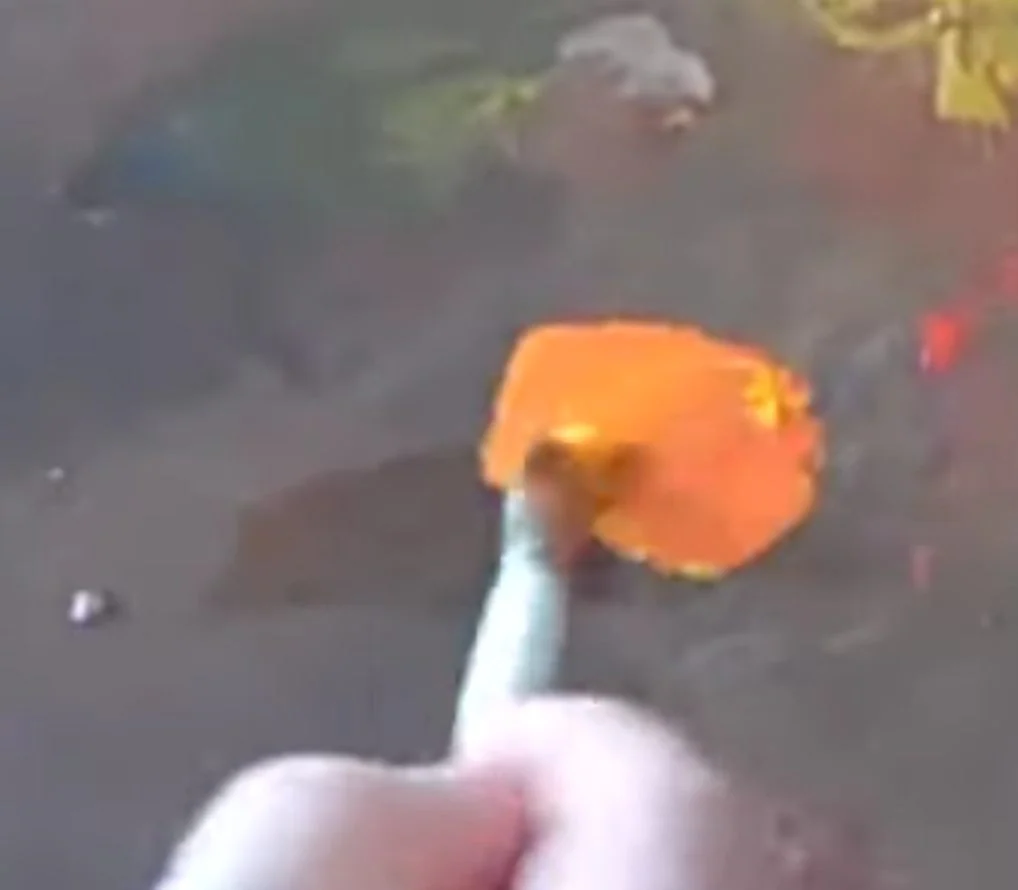
Step 2 — Darken the orange without killing it
Most people reach for black, which kills chroma fast. Instead, go to a darker member of the same family: burnt sienna, which is basically a darker orange. Mix it in and you get a deeper, warmer orange — not mud. More burnt sienna makes it richer and darker; adding cadmium red back gives it more glow and heat.
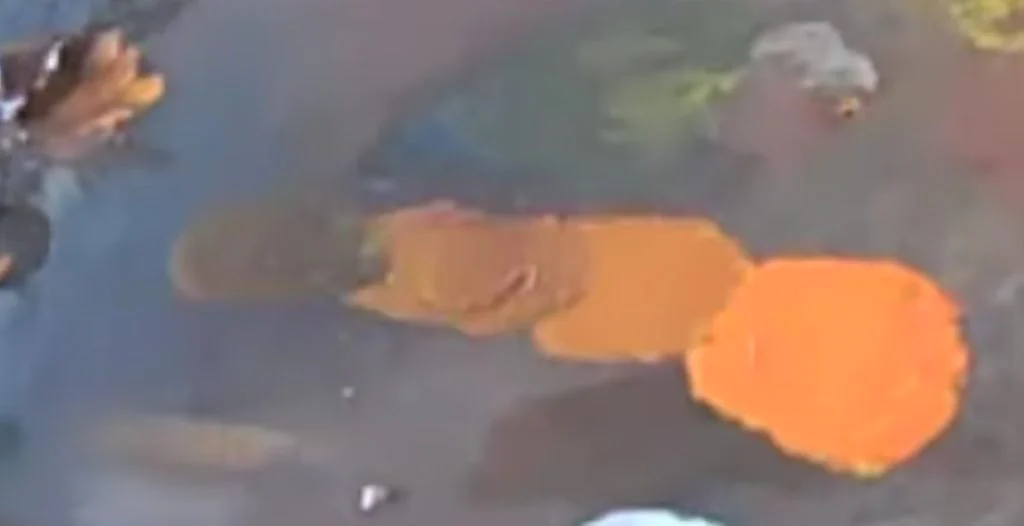
Step 3 — Check the value against a neutral grey
Value matters more than hue. Mix a neutral grey from white + ivory black (ivory black leans slightly blue, which works here). Squint at the orange and the grey together — squinting collapses the color so you see value clearly. If the orange looks darker than the grey, add white to the grey; if lighter, add black. Match the value first.
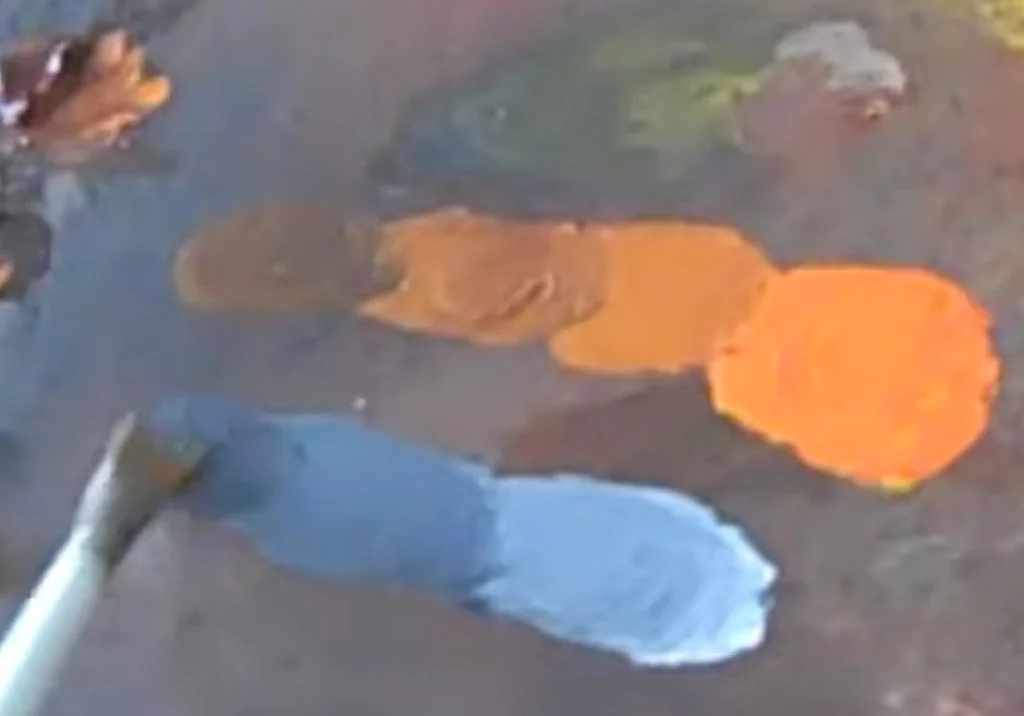
Step 4 — Make a muted orange (“brown”) by adding grey
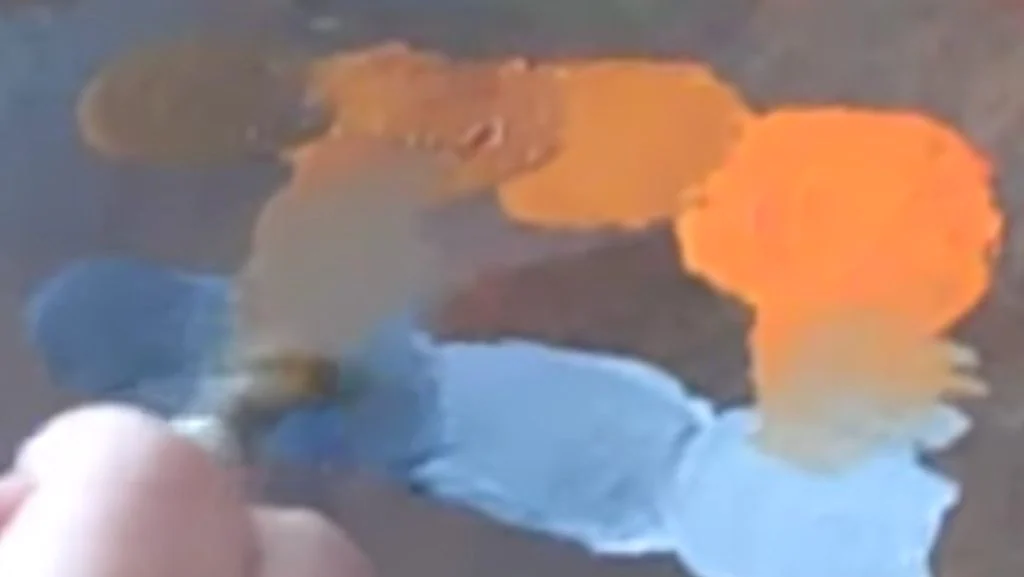
Once the grey matches the orange in value, mix a little grey into the orange. You get the same value, less chroma — a muted orange. Most people call this brown; painters should think grayed-orange. It keeps your thinking systematic and your painting cleaner.
The takeaway
Brown is a low-chroma orange in the same value range. Think in color families, not isolated colors. Color mixing isn’t “pick a color” — it’s steer the color, through hue, value, and chroma. Once you get that, it stops being a guessing game.
More practical, traditional oil painting lessons — no mystical color poetry, just studio teaching — are in the school.
Common questions
- What's the right way to darken a color without muddying it?
- Reach for a darker member of the same color family rather than black. To darken orange, add burnt sienna — which is essentially a darker orange — and you get a deeper, warmer orange instead of mud. Add cadmium red back in for more glow.
- How do you match the value of a color?
- Mix a neutral grey from white and ivory black, then squint at the grey and your color side by side. Squinting collapses the hue so you see value alone. If the color looks darker than the grey, lighten the grey; if lighter, darken it. Match value before anything else.
- What is brown, in color-mixing terms?
- A low-chroma orange in a given value range. Once your grey matches the orange in value, mix a little grey into the orange: same value, less chroma, a muted orange. Thinking 'grayed-orange' instead of 'brown' keeps your color decisions systematic.