
Rembrandt van Rijn
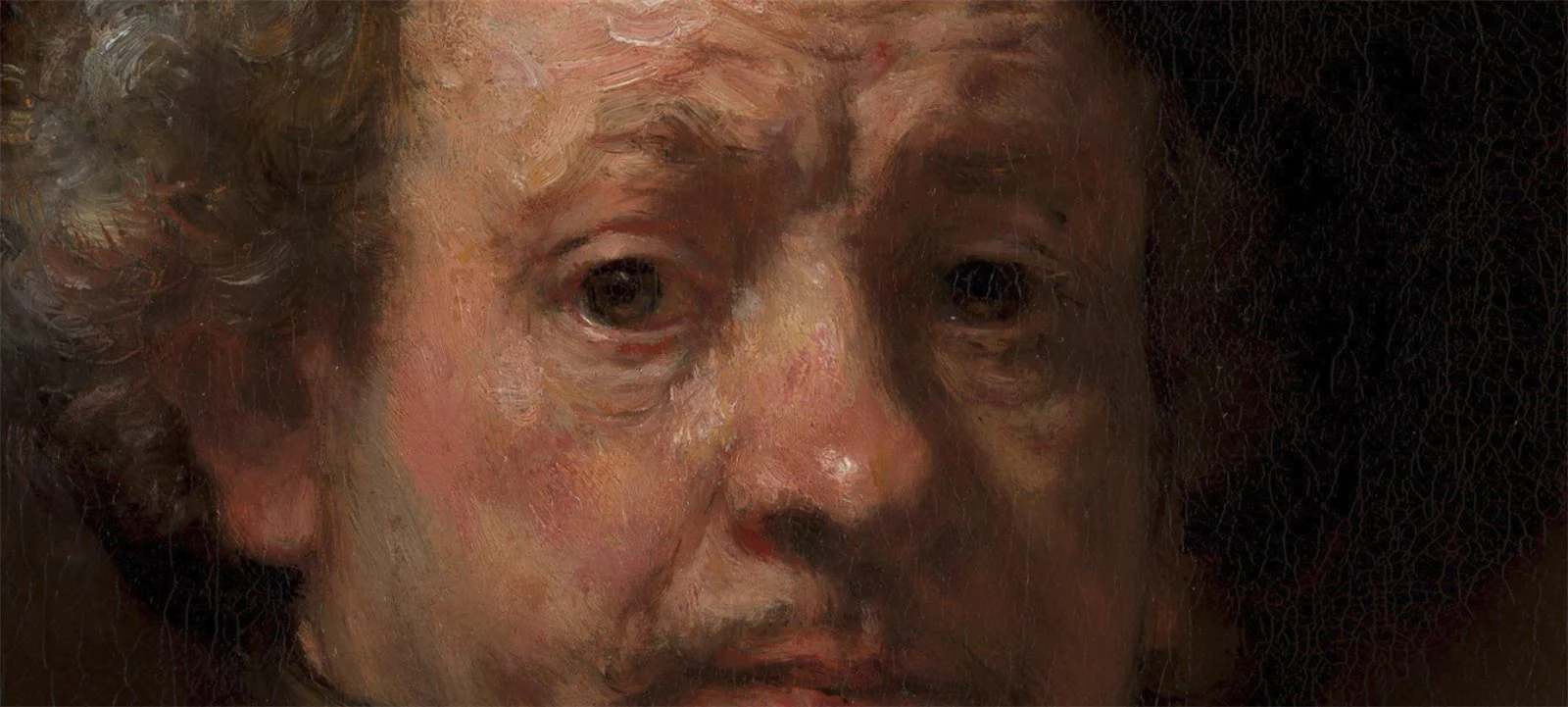
Rembrandt’s early paintings chase texture and fine detail; his famous late work is thick, rough, and sketchy. But the method underneath barely changed — a dull or monochrome underpainting first, then veilings and solid painting built over it. He adapted his handling to a new style without abandoning the procedure of his time.
Rembrandt is one of the few names in art history we know by a first name alone, alongside Michelangelo, Leonardo, and Raphael. Even people who don’t follow art have heard of him, if not his full name, Rembrandt van Rijn.
Dramatic light
He’s known for dramatic lighting, though he was using the approach Caravaggio made famous first: chiaroscuro — large dark areas with a sudden patch of bright illumination, which heightens the drama.
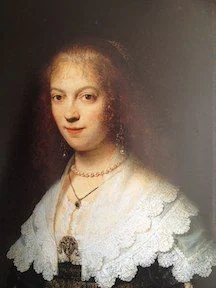
Early work
Later work
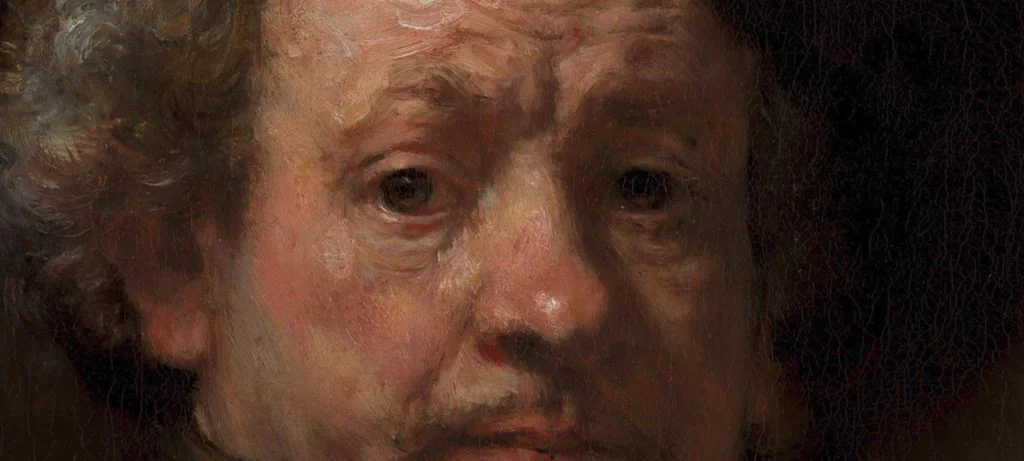
It’s hard to read brushwork in a photo; you need to see these in person. The work is detailed but not photographic — Rembrandt isn’t after polish. You could say it’s more real than a photograph because he’s after a true, expressive image (and there were no photographs in the 1600s). The roughness gives an almost-moving quality to the figure, the eyes carrying a bit of worry or disdain.
Technically, it’s built with a lot of bodied paint that constructs the figure, with the color built up gradually over that bodied paint. It is not made the modern way — trying to reach a finished appearance all at once. Rembrandt knew the procedures of layering and building a painting, and adapted what he knew about separating drawing from color to his new methods.
Learning the same layered procedure the old masters used is what the school teaches.
Common questions
- What is Rembrandt known for technically?
- Dramatic lighting — large dark areas with sudden bright illumination, a technique called chiaroscuro that Caravaggio made famous first — and, in his later work, thick impasto paint with a sketchy, distinctive handling that was very unusual for its time.
- Did Rembrandt's painting method change between his early and late periods?
- The look changed a great deal; the procedure did not. Even his late paintings were built the traditional way of his time: a dull or monochrome underpainting first, then veilings and solid painting worked over that preparation. He adapted his handling, not the underlying sequence.