
The Pleasure of Loose Soil
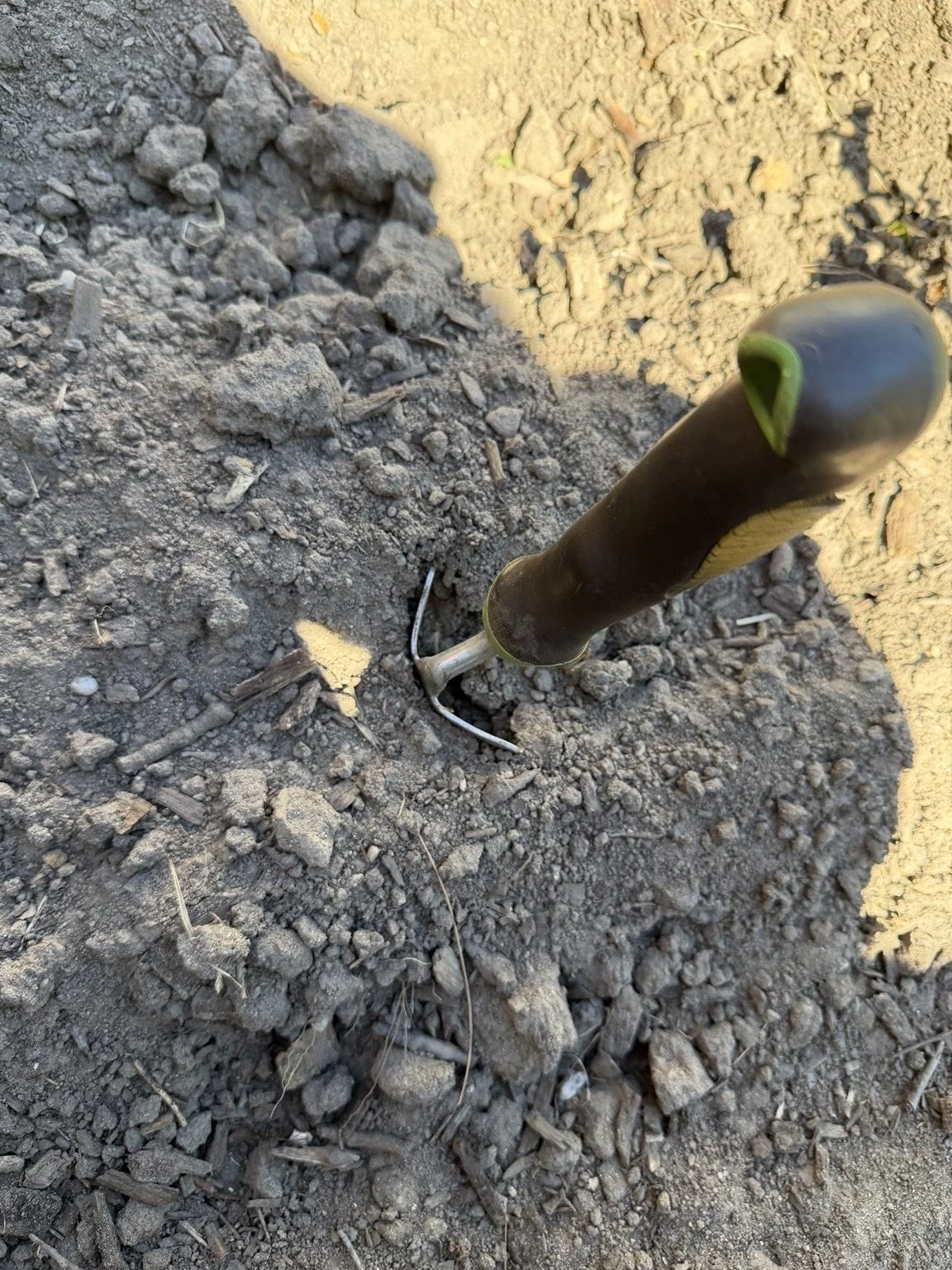
Loose, friable soil makes transplanting almost effortless. A hand cultivator sinks in with one push, opens a deep planting pocket with a twist of the wrist, and lets the roots spread without a fight. After preparing a single row this spring, I could feel the difference the moment the tool touched the ground.
What does well-prepared soil feel like to work?
Today I transplanted a few tomatoes. What struck me wasn’t the tomatoes. It was the soil.
The trowel slid into the ground with almost no resistance. One twist of the wrist opened a deep planting pocket. I dropped the plant in, pulled the soil back around it, and moved on to the next one.
A few weeks ago the experience would have been completely different. I would have been stabbing, prying, and wrestling with the ground just to make the same hole — hitting hard soil, working the trowel back and forth, pulling it out, stabbing again, chipping away enough room to fit the transplant.
Today the soil cooperated.
How does prepared soil compare to unworked ground?
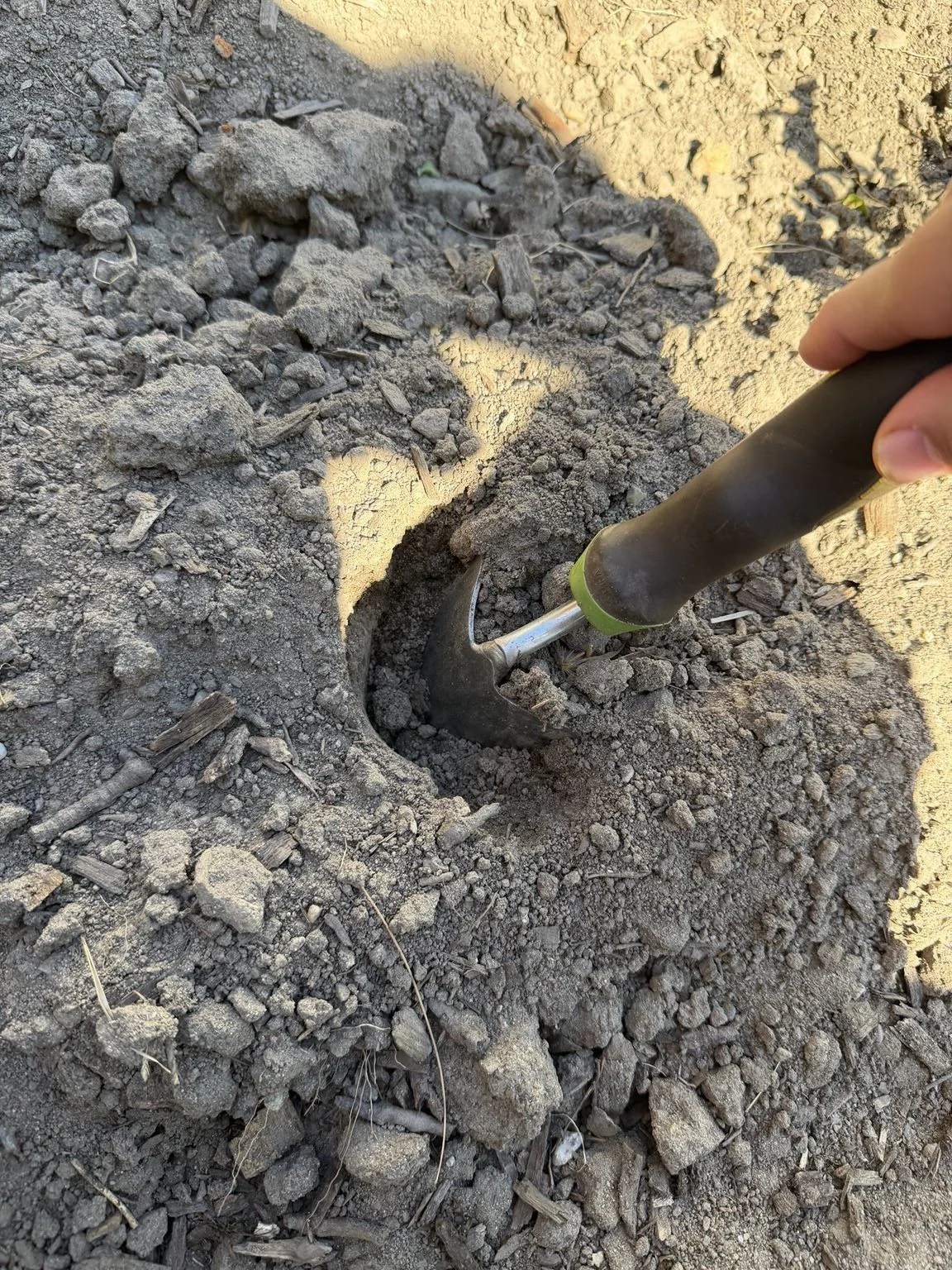
The difference was obvious the moment I put the trowel in.
In the prepared row, the blade sank with very little effort and it was easy to push deeper and open a pocket for the transplant.
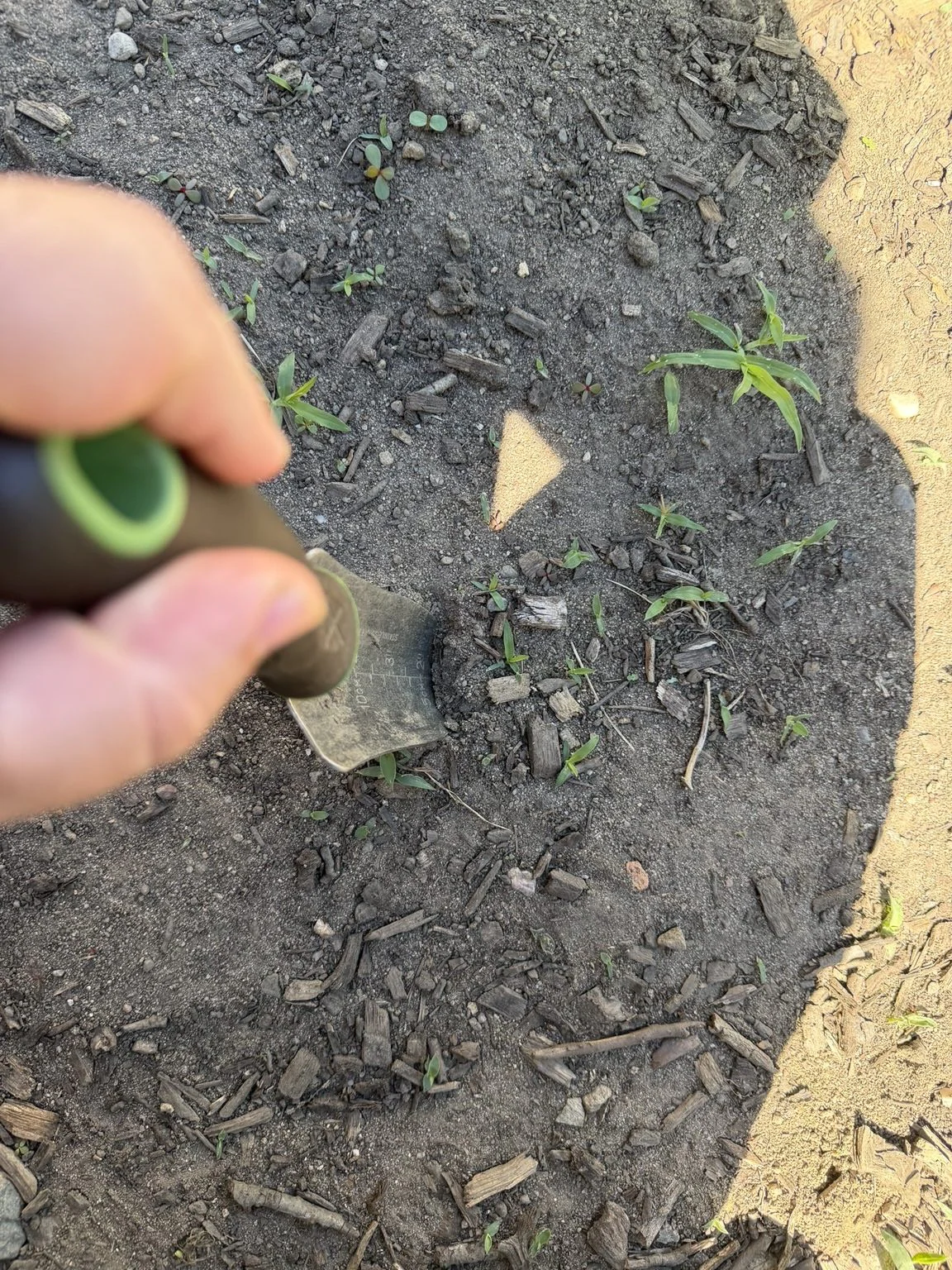
The unprepared soil fought back. The same trowel that slipped effortlessly into the row had to be forced into the harder ground. It went down barely two inches and then stopped. Making a single planting hole there took more effort and more time.
Does the soil-preparation method matter?
People argue endlessly about gardening methods. No-dig. Raised beds. Tilling. Cultivation. Compost. Mulch. Every gardener seems convinced they’ve found the one true way.
I’m not interested in joining that argument. What I know is this: working in loose, friable soil is a pleasure. The method that gets you there matters less than the result underground.
Why did gardeners historically work the soil?
I understand now why generations of gardeners reached for plows, cultivators, hoes, middle busters, and tillers. They wanted the soil loose. They wanted planting to be easy. They wanted roots to grow freely and cultivation to take less effort.
You can debate the finer points of gardening philosophy all day. But when a trowel slides into the ground and opens a planting pocket with almost no effort, that’s a hard thing to argue against.
Are the transplants recovering?
The tomatoes I moved seem to be recovering well. Whether that’s because of the way the soil was prepared, I can’t say yet — time will tell.
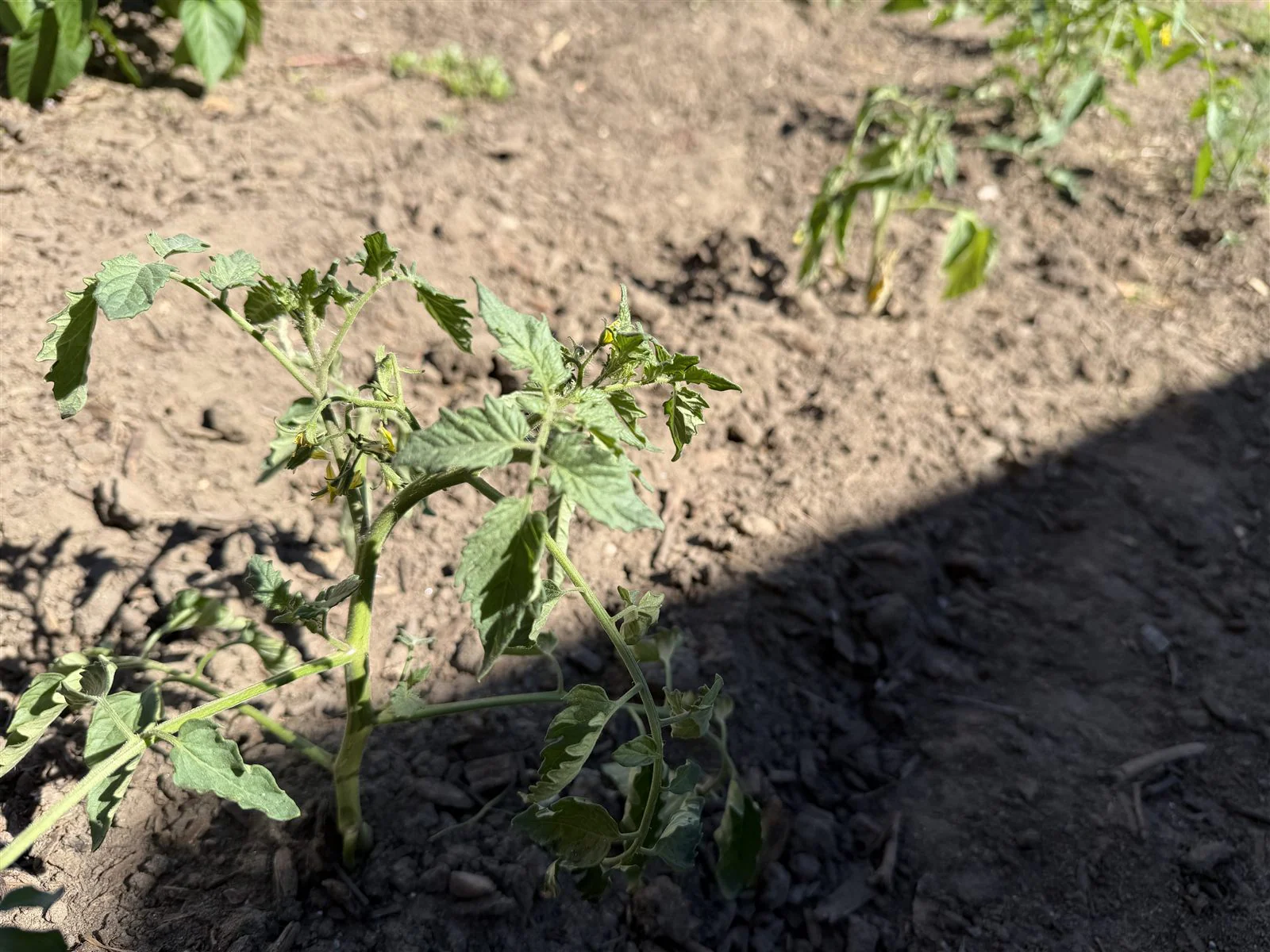
What I can say is that transplanting into loose soil was one of the most enjoyable gardening experiences I’ve had all season. Sometimes the garden teaches you things through your hands long before you understand them with your head. Today was one of those days.
If you’d like to follow along as I share what I’m seeing, trying, and learning in the garden, get on my email list. I write about the successes, failures, experiments, and occasional surprises that come from working in a real garden — not a perfect one.
Common questions
- How deep should soil be loosened for transplanting?
- A planting pocket six to eight inches deep is enough for most vegetable transplants. In my prepared row a hand cultivator reached that depth with one pull; in the unworked ground beside it, the same tool stopped after about two inches.
- Do you have to till or dig to get loose soil?
- No. Tilling, broadforking, no-dig with deep mulch, and raised beds can all end up with friable soil. What matters is the condition underground, not the name of the method.
- Does transplanting into loose soil actually help plants establish faster?
- It should, because roots meet less resistance and water spreads more evenly around them. I'm treating that as a claim to watch this season rather than something already proven in my garden.